
Space Tech Reddit: Community Insights on Emerging Trends
Reddit serves as a dynamic platform for space technology enthusiasts and professionals, offering discussions on emerging trends, career advice, and community…
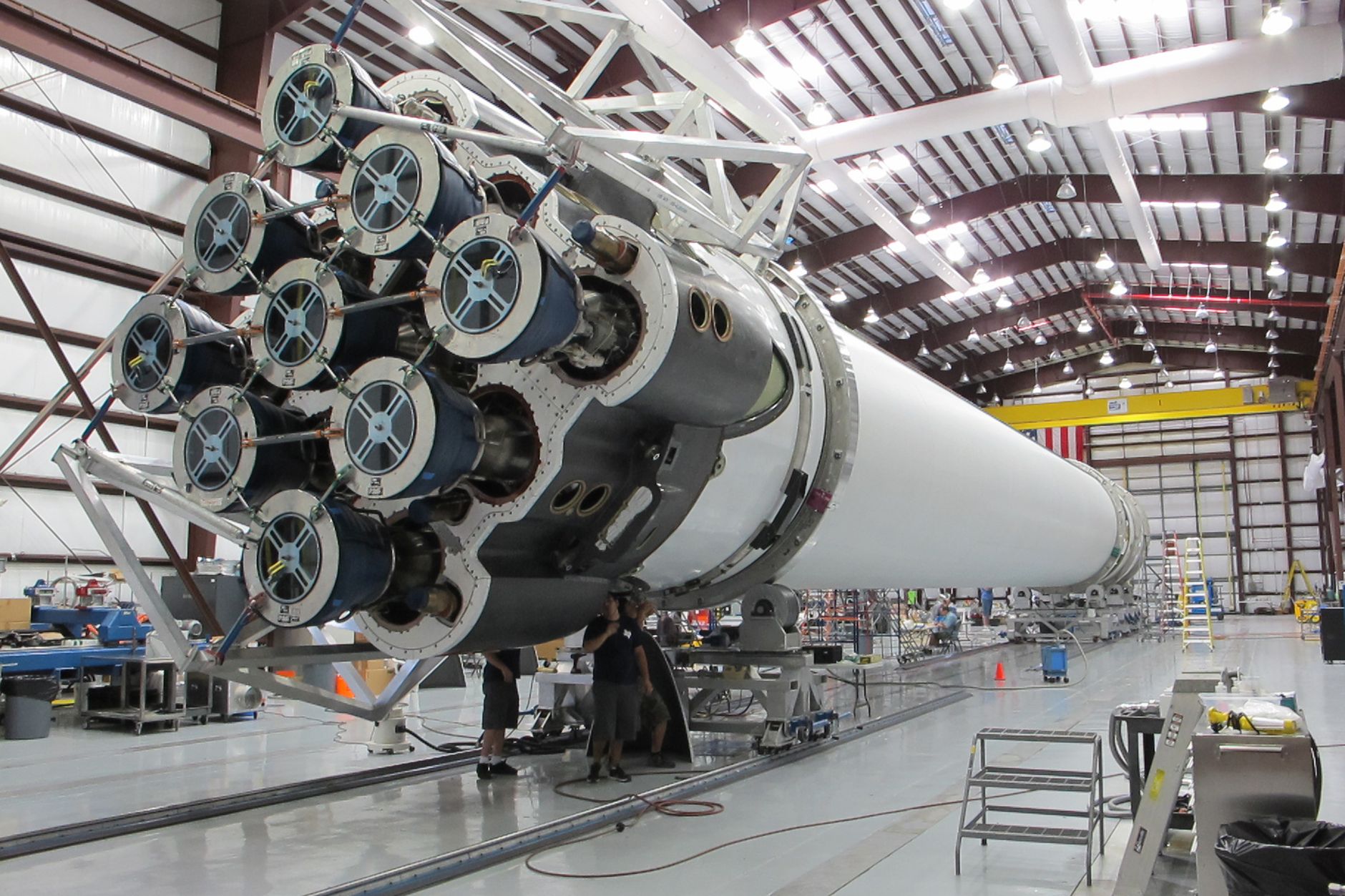
Reddit has become a vibrant hub for discussions on space technology, attracting both seasoned professionals and enthusiastic newcomers. Users frequently seek out active communities to find the latest news, debate emerging technologies, and gain insights into career paths within the rapidly evolving space industry.
From the ambitious projects of private companies like SpaceX's Starship to the theoretical underpinnings of future propulsion systems, Reddit offers a unique blend of expert opinions, community-driven analysis, and practical advice on all aspects of space exploration and development.
Reddit as a Hub for Space Technology Discussions
Individuals searching for "space tech reddit" are often looking to tap into a collective knowledge base. They aim to discover active communities, participate in discussions, and stay informed about the latest developments and insights in space technology. This includes everything from specific projects, such as SpaceX's Starship, to broader trends like orbital data centers or advancements in space exploration.
Engaging with Space Technology Communities
To engage with these discussions, users typically join subreddits tailored to their interests. Prominent communities include r/space for general space news and exploration, r/aerospace for more technical discussions, and r/SpaceXLounge for focused conversations on SpaceX projects. These platforms allow for direct interaction and knowledge sharing among enthusiasts and experts.
Notably, even former high-ranking officials like Mason Peck, NASA's former Chief Technologist, have engaged with Reddit communities to discuss topics such as careers in the space industry, underscoring the platform's significance as a legitimate forum for professional discourse.
Cutting-Edge Space Technologies Under Discussion
The space technology landscape is constantly evolving, with Reddit communities often at the forefront of discussing these advancements. Recent verified facts highlight both promising innovations and significant challenges facing the sector.
Budgetary Constraints and Geopolitical Shifts
The financial health of space programs is a recurring topic. NASA has warned of "very problematic" budget cuts for space technology, which could impact future research and development. Concurrently, the US Space Force has cautioned about a "mind-boggling" increase in Chinese space capabilities, signaling a shifting geopolitical landscape in orbit.
Advanced Propulsion Systems and Fringe Technologies
One area generating significant interest is propulsion. Nuclear thermal engines, which offer higher efficiency for deep-space missions, are currently back in development. Alongside this, NASA has funded a proposal for a unique ~25m² thin surface made of radioactive material with a lead layer, intended for potential new applications in space.
More speculative, but nonetheless discussed, is "Quantised inertia," a fringe technology slated for testing in space soon. The potential impact of such technologies, including concepts like the IVO quantum drive, often sparks intense debate about their feasibility and revolutionary potential for space travel.
Space Manufacturing Nearing Commercialization
The prospect of manufacturing in space is rapidly moving from theoretical to practical. Space manufacturing of specialized materials like ZBLAN optical fibers, artificial retinas, and annealed semiconductors is nearing commercialization, potentially within five years. These products can gain unique properties when manufactured in microgravity, which are difficult or impossible to achieve on Earth.
The economics of space manufacturing are compelling. ZBLAN optical fibers, for instance, can have a launch cost of approximately $88,000 per kilogram. A 2kg preform and spool might cost around $176,000 to send into orbit.
The market price for ZBLAN fibers is $150 per meter, potentially yielding $450,000 to $1,050,000 per kilogram. Custom ZBLAN fibers can command even higher prices, selling for $300-$3,000 per meter, which translates to a potential yield of $900,000 per kilogram to $21,000,000 per kilogram. However, discussions also highlight the logistical challenges inherent in space manufacturing, such as the complexities and costs associated with getting raw materials into orbit and finished products back to Earth.
The Rise of Space-Based Data Centers and AI
The concept of orbital data centers has gained traction, with prominent figures like Elon Musk of SpaceX and Sundar Pichai of Google publicly discussing their potential. SpaceX has already signed a compute deal with Anthropic, a significant player in the large language model (LM) arena, indicating a growing convergence of space technology and artificial intelligence.
In the competitive LM landscape, Grok, an AI model, is ranked as the 5th highest company and 9th model overall. While the idea of space-based data centers offers potential advantages, Reddit discussions also caution that early modeling of their cooling requirements might be naive, underscoring the complex engineering challenges involved in energy transfer, installation, and thermal management in orbit.
Navigating a Career in the Space Industry
For those passionate about space technology, Reddit serves as a valuable resource for career advice. The aerospace market is highly competitive and often described as saturated, making it challenging to secure desirable jobs without a strategic approach and a strong professional profile.
Educational Paths and Skill Development
Aspiring space engineers are strongly advised to pursue relevant internships in the space industry. For Electrical and Computer Engineering (ECE) students, focusing on embedded systems (both hardware and software), Digital Signal Processing (DSP), and Controls is critical. These areas are fundamental to the design and operation of spacecraft and associated technologies.
While a Computer Science (CS) degree is valuable, it might primarily lead to IT roles within aerospace companies rather than direct space engineering positions, unless specialized in areas directly applicable to space systems. Field-Programmable Gate Arrays (FPGAs), for example, are frequently used in space technology due to their reconfigurability and radiation tolerance.
For individuals with a theoretical science background, such as an M.Sc. in Solar System Physics, acquiring practical engineering knowledge in fields like optics and sensors is crucial for transitioning into applied engineering roles. A purely theoretical background is often insufficient for hands-on engineering positions without complementary practical experience.
Opportunities within European Space Agencies
For those interested in working with organizations like the European Space Agency (ESA), it's worth noting that much of their design work is often carried out by private contractors. This arrangement can sometimes mean that security clearance requirements, which can be a barrier for non-citizens, are less stringent or not required for certain roles.
Addressing the Future and Feasibility
Reddit communities frequently pose open questions about the future of space technology, reflecting a collective desire to understand upcoming advancements and the feasibility of ambitious concepts.
Next Technological Advancements
The question of what constitutes the "next significant technological advancement" in space often leads to discussions spanning new propulsion methods, advanced materials for in-space manufacturing, and sophisticated AI applications for mission autonomy. These conversations often draw upon the verified facts regarding nuclear thermal engines, ZBLAN fibers, and AI partnerships.
Feasibility of Orbital Data Centers
The feasibility of concepts like orbital data centers remains a hot topic. Challenges such as efficient energy transfer, complex installation procedures, and effective cooling mechanisms in the vacuum of space are thoroughly debated. Early modeling of cooling solutions for these centers has been noted as potentially naive, indicating the significant hurdles that still need to be overcome for widespread implementation.
Global Job Prospects and Starting Points
Job prospects in the private sector for specific space-related degrees, particularly in different countries like India, are a common concern. The consensus reinforces the need for strong practical skills, internships, and a specialization in high-demand areas. For individuals passionate about developing probes, deep space telescopes, or imaging technology, the advice consistently points towards gaining hands-on engineering experience and pursuing degrees with a strong practical component.
Speculative technologies, such as the potential for the IVO quantum drive to revolutionize space travel, are also discussed. While such concepts are often met with a healthy dose of skepticism, their potential to reshape our understanding of propulsion and interstellar travel keeps them alive in community conversations.
Frequently Asked Questions
What are the main Reddit communities for space technology?
Key subreddits include r/space, r/aerospace, and r/SpaceXLounge, where enthusiasts and professionals discuss various aspects of space technology.
What emerging space technologies are frequently discussed?
Discussions often cover nuclear thermal engines, space manufacturing of ZBLAN fibers and artificial retinas, "quantised inertia," and the feasibility of orbital data centers.
What career advice is available for aspiring space engineers?
Practical advice emphasizes securing internships, focusing on embedded systems, Digital Signal Processing (DSP), and Controls for Electrical and Computer Engineering (ECE) students, and gaining hands-on experience to complement theoretical knowledge.
Sources
Last updated: 2026-11-23
Photo: SpaceX / Pexels
Reader Responses (0)
No approved comments yet. Be the first to share your perspective!